No one expected that the escalating tensions in the Middle East in late February would impose a new round of “stress tests” on the supply chain of the global automotive industry.
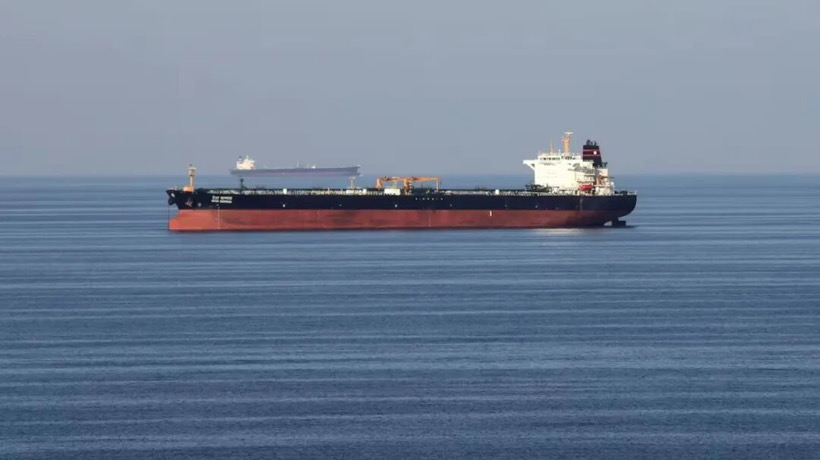
As the crisis enters its third week, the near-total closure of the Strait of Hormuz is likely to further drive up logistics costs for automakers. This narrow waterway between Iran and the Arabian Peninsula serves as a critical shipping lane for global trade.
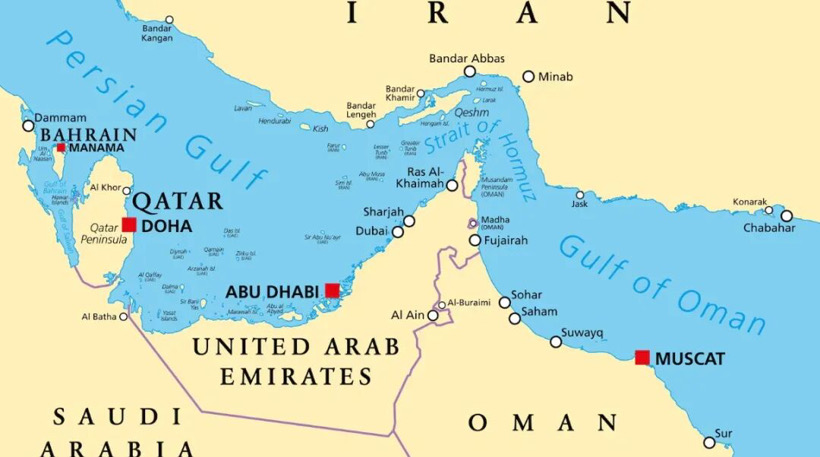
According to data from Lloyd’s List Intelligence, only 77 vessels passed through the strait between March 1 and 13, 2026, compared with 1,229 in the same period last year. The daily average number of transits plummeted from 138 to just 8, a staggering 94% drop. Goldman Sachs estimates that oil flow through the strait has shrunk from its normal daily level of more than 19 million barrels to roughly just 600,000 barrels.
More seriously, Iran has begun laying mines in the strait. Although the U.S. military has destroyed 16 Iranian mine-laying vessels, the threat of mines has resulted in a “soft closure” of the shipping lane.
Surge in Core Cost Pressures
In a report on the impact of the war on the automotive industry, S&P Global noted that the risks associated with using the strait have driven up insurance costs for cargo and vessels. The Strait of Hormuz is the primary maritime route for raw materials such as aluminum and petrochemical products, as well as oil and liquefied petroleum gas, from regions surrounding the Persian Gulf.
In response to Iran’s attacks on ships and laying of naval mines, reports indicate that U.S. President Donald Trump is calling on allies to dispatch vessels in an attempt to reopen this waterway, though no specific plans have been formulated yet. S&P Global states that vessels attempting to enter the strait are also opting for alternative routes, with some cargo ships being forced to sail around the Cape of Good Hope in Africa, adding approximately 14 days to their voyages. This has also resulted in some goods failing to reach their intended destinations, thereby disrupting schedules and contract fulfillment.4
Not only is the transportation time prolonged, but energy prices and logistics costs are also affected.
Brent crude oil prices have now broken through $100 per barrel, approaching a five-year high. Since the conflict broke out on February 28, Brent crude oil prices have risen by more than 40% cumulatively, with oil prices once approaching a high of $120 per barrel.
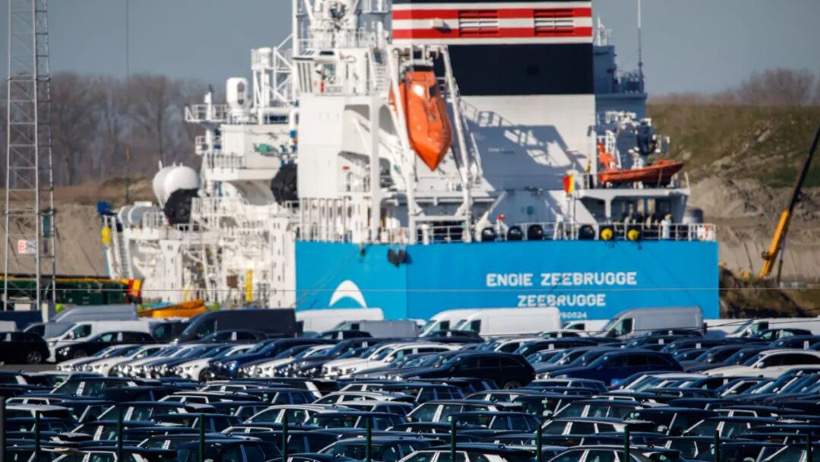
In addition, Frank Schnelle, Executive Director of the European Automotive Logistics Association, stated that driven by high energy prices and labor costs, logistics costs have increased by 25% to 30% since 2019. A car manufacturer recently revealed that the figure is closer to 40%. As the crisis intensifies further, the challenges faced by automakers become even more arduous.
Schnelle stated that in the short term, high energy costs leave logistics companies with almost no room for adjustment. He pointed out that contracts usually include fuel price adjustment clauses linked to fuel costs, but such clauses generally take effect retroactively, which will exert cash flow pressure on logistics companies when oil prices surge. “Given the abnormal and rapid rise in fuel prices, both parties need to show flexibility in addressing this situation,” Schnelle said.
Harald Wimmer, Global and German Automotive Industry Leader at PwC, stated in an email that the sharp rise in energy prices will also push up the costs of air freight (kerosene) and road transport (diesel).
Global automakers have been widely affected.
Faced with numerous cost pressures, experts stated that automakers have three response strategies: cutting costs, diversifying suppliers, or accepting a decline in profit margins.
Pedro Pacheco, Vice President of Gartner, said: “Automakers may have to accept thinner profit margins.” He expects automakers to take their usual measures and focus more on cost reduction.
Automotive analyst Ferdinand Dudenhöffer believes that automakers will attempt to pass on costs to suppliers, yet this approach is difficult to achieve under the framework of existing contracts. He also stated that automakers will simultaneously seek new suppliers located closer to their factories to avoid long-distance transportation and enhance supply chain stability.
Stefan Braatz, Director of the Automotive Management Centre, stated that car companies may attempt to pass on costs to consumers. However, he pointed out that against the backdrop of declining demand and an economic downturn, automakers will find it difficult to raise prices.
When it comes to different automakers, the chain reaction triggered by the Iran conflict manifests itself in varying ways.
For German automakers, conflicts may disrupt their business operations in the Middle Eastern market. As a key market for luxury brands, the Middle East is home to core customers of high-priced ultra-luxury models such as Bentley and Lamborghini, and both BMW and the Volkswagen Group have regarded it as a highly promising growth region. However, the escalating hostility between the United States, Israel and Iran is upending this expectation.
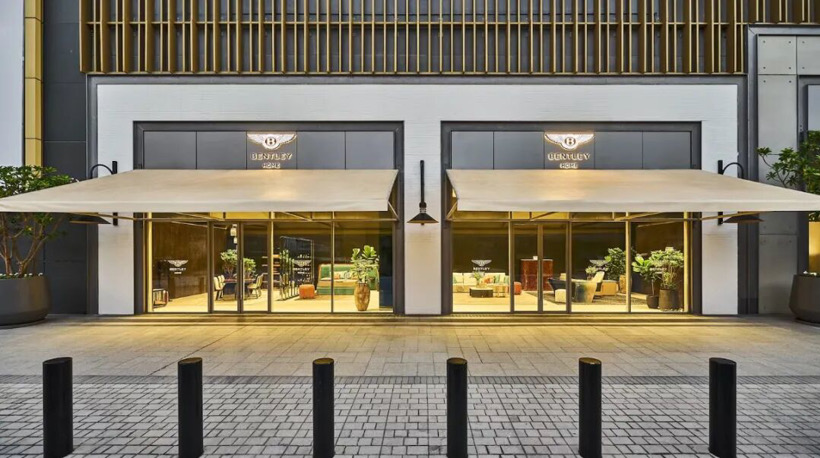
Last year, the Middle East was Volkswagen Group’s second-fastest growing region after South America, with revenue increasing by more than 10%. Arno Antlitz, CFO of Volkswagen Group, stated that the group’s own power plants rely on long-term oil and gas contracts, so the current direct impact of rising energy prices on the group is limited. Oliver Blume, CEO of Volkswagen Group, also said at the company’s annual news conference on March 10 that the group’s supply chain remains stable at present.
However, this conflict may put pressure on demand in Gulf markets such as Saudi Arabia, the UAE, Qatar and Kuwait. The region is particularly important for luxury brands under the Volkswagen Group, including Audi, Porsche, Bentley and Lamborghini. Faced with fierce competition in the global market, Volkswagen has long listed the Middle East and Southeast Asia as important new export destinations in an attempt to absorb production capacity and boost performance. However, the escalation of the situation in the Middle East has posed challenges to this strategy.
Porsche mentioned in its recent global press conference that uncertainties in geopolitics and the impact of U.S. tariff policies will persist, exacerbating the difficulties the brand faces in its electrification transformation. The brand has not yet factored in the potential impact of recent developments in the Middle East, yet this reveals Porsche’s concerns over the situation in the region, which may further hinder its efforts to break through the predicament
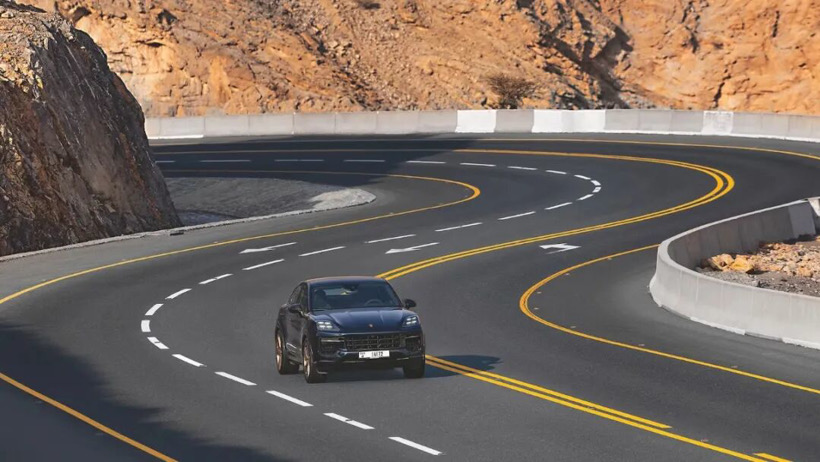
Skoda, a budget brand under Volkswagen, has also failed to escape the impact. The Czech carmaker previously positioned the Middle East as a market of growth opportunities. As a leading brand in the Israeli market, the brand also sells vehicles in the UAE, which has been caught up in regional tensions, and expanded its presence in the region last year by entering the Saudi market.
Škoda CEO Klaus Zellmer stated while releasing the 2025 financial report on March 12: “Four weeks ago, the Middle East was still an optimistic source of growth; now we are monitoring the market with a certain degree of tension.” He added that demand is expected to stabilize quickly if the conflict eases.
BMW is most concerned about the supply of raw materials, especially the supply of aluminum transported via Dubai. Nikolai Martin, BMW’s head of purchasing, stated at the company’s annual news conference on March 11 that the company’s supply chain remains intact for the time being but is closely monitoring developments. Jochen Goller, BMW’s head of sales, said that sales in the region had not yet seen a significant decline since the conflict escalated in early March, but warned that it was still too early to assess the full impact.
In contrast, Toyota Motor is in the most difficult situation. Toyota holds approximately 17% of the market share in the Middle East, making it the automaker with the highest market penetration. As a result, Toyota has become the hardest-hit international giant in this conflict. The company was forced to announce a production cut of nearly 40,000 vehicles destined for the Middle Eastern market between March and April, including 20,000 units in March and 18,000 units in April, equivalent to 60% to 70% of its monthly export volume.
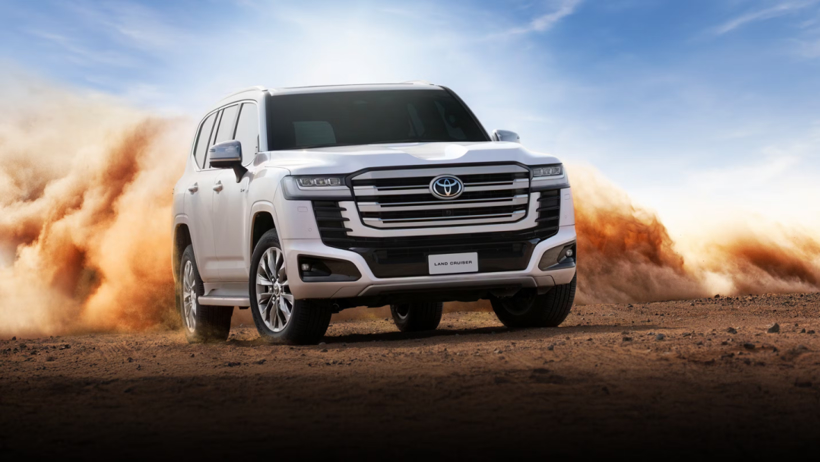
Toyota’s predicament stems from the vulnerability of its “just-in-time” production model amid crises. The Strait of Hormuz is regarded as the “aorta” of Toyota’s supply chain. Japan relies on the Middle East for over 90% of its crude oil imports, approximately 70% to 80% of which must pass through the Strait of Hormuz. Furthermore, popular SUV models sold in the Middle East by Toyota, such as the Land Cruiser, depend on components manufactured in the Middle East. The blockade of the strait has caused delays in the delivery of key parts, and production adjustments have affected seven production lines across five factories in Japan.
In fact, the Japanese and South Korean automotive industries, represented by Toyota, face unique dilemmas amid the Strait of Hormuz crisis. These two countries not only rely heavily on the Middle East for raw material supplies but also have supply chains that are geographically almost entirely subject to the Strait of Hormuz. Honda, Nissan and other automakers all have extensive sales networks and production bases in the Middle East, and a blockade of the Strait of Hormuz would put these operations at risk of a complete shutdown.
Among Chinese automakers, Chery Automobile has been hit the hardest. Chery has the most extensive presence in Iran. At its peak, it operated a factory with an annual production capacity of 60,000 complete vehicles and established more than 150 sales and service outlets in multiple cities including Tehran and Mashhad, relying heavily on local trade and assembly. In 2017, Chery ranked among the top three automobile brands in Iran with a market share of nearly 20%.
Today, carmakers such as Chery and Changan, which have long been deeply engaged in the Middle Eastern market, are under pressure. They have adopted a contractionary operation strategy, namely freezing investment in new projects, downsizing local teams, and only maintaining minimal after-sales response and emergency spare parts distribution. Chinese auto brands including BYD have instead launched plans for unloading at overseas ports and inland transshipment, switching to calling at safe ports such as those in Oman and the United Arab Emirates, while accelerating the construction of KD semi-knocked-down assembly plants in Saudi Arabia, Egypt and other regions to reduce reliance on maritime transportation.
Supply chain shocks:
The supply of aluminum, plastics and chips faces potential disruptions.
The crisis has had an all-round impact on the global automotive industry. For the entire automotive industry chain, the pressure on automakers is only one part at the end.
The Middle East produces approximately 10% of the world’s aluminum, serving as a vital supply source for major markets including the United States. Qatar accounts for around 30% of global helium supply, a critical material in semiconductor manufacturing. Meanwhile, the Middle East is also a major producer of petrochemical products such as automotive plastics and chemical raw materials. As a result, global automakers, component suppliers, and chip manufacturers are re-evaluating their supply chains.
Dan Hearsch, co-leader of AlixPartners’ global automotive and industrial practice, stated: “Crises are piling on top of one another, making response efforts exponentially more difficult.” Analysts point out that companies relying on Middle Eastern aluminum supplies are seeking alternative sources for the metal; meanwhile, the Middle East is a major producer of key materials for semiconductor manufacturing, meaning the automotive industry may face a fresh chip shortage. If high oil prices persist, they will not only significantly drive up gasoline prices but also impact the costs of plastics and other petrochemical products used in the sector.
Analysts believe that the destructive impact of the conflict mainly depends on its duration. A quick resolution can minimize losses, while a prolonged conflict will lead to unpredictable shortages of supplies. Hülsch said: “If the conflict lasts for several weeks, some enterprises will inevitably face supply disruptions, but I cannot predict which specific supplies or links will encounter problems.”
In recent years, chip shortages, U.S. tariffs, inflation, and the Russia-Ukraine conflict have continuously plagued the automotive industry with supply chain uncertainties, forcing companies to frequently adjust and replan their supply chains. Colin Shaw, president of the Motor & Equipment Manufacturers Association, stated: “The industry is facing far too many problems.” He noted that the association is closely monitoring the situation but has not yet received reports of direct impacts on U.S. domestic production.
Nevertheless, suppliers are still strengthening the resilience of their supply chains.
According to people familiar with the matter, Japanese and South Korean auto parts suppliers are in talks with Rusal International of Russia to purchase aluminum alloys, and are also discussing cooperation with companies in India and other parts of Asia, Bloomberg reported on March 10.
The North American automotive industry, particularly that of the United States, relies on raw materials from the Middle East to a greater extent than many people imagine. Data from the International Trade Administration of the United States shows that in 2025, the United Arab Emirates was the second-largest exporter of aluminum to the U.S., and Bahrain, an island nation in the Persian Gulf, ranked fourth. Freight shipments from India, the fifth-largest aluminum exporter to the U.S., could also be affected as companies seek to avoid shipping through the region. Sam Fiorani, Vice President of Global Vehicle Forecasting at AutoForecast Solutions, stated that while companies are aware of alternative channels for aluminum resources, switching suppliers or adjusting freight routes would increase costs and delay deliveries. He admitted: “Business costs will inevitably rise.”
In addition, South Korean government officials have warned that the Iran conflict could disrupt the supply of semiconductor production materials such as helium. Helium is produced in only a small number of countries, with Qatar being one of the major producers. Meanwhile, Roland Berger consultancy analysis stated that the ongoing disruption to petrochemical supplies could drive up the costs of automotive plastics and chemical products by 15% to 25%. Roland Berger pointed out that an average passenger car is equipped with 330 to 440 pounds of petrochemical-based plastic components, and the Middle East is the main supplier of such raw materials. Rising costs will squeeze suppliers’ profit margins and push up production costs for automakers.
Fiorani stated that although the Middle East is not a major production hub for automobiles and first-tier components, it occupies a pivotal position in the automotive supply chain, and the current crisis serves as evidence. He said: “Disruptions to trade routes and supplier operations in this region will create bottlenecks for automotive production in North America.”
A number of carmakers are closely monitoring the situation in the Middle East. A Volkswagen spokesperson told the media that the company is “deeply concerned about the regional situation” and is continuously assessing the potential impact on its operations, adding that “ensuring the safety of employees in the region is the top priority”
Lucid Motors, which has an assembly plant under expansion in Saudi Arabia, stated that up to now, the conflict has not affected its production and construction work.
On March 6, a spokesperson for Lucid, an American automotive brand, stated: “We will of course continue to closely monitor the situation.” The Public Investment Fund of Saudi Arabia holds a majority stake in Lucid. Headquartered in Newark, California, USA, the automaker opened a production plant near Jeddah, a port city in Saudi Arabia, in 2023, where it assembles complete knock-down kits shipped from Arizona, USA, with an annual production capacity of 5,000 vehicles. The plant is currently being expanded into a full manufacturing facility. Lucid’s interim Chief Executive Officer, Mark Winterbottom, said in February that the project is progressing as scheduled and will begin production of an all-new midsize crossover model by the end of this year.
Analysts stated that if automakers eventually face shortages of parts or raw materials due to conflicts, they will most likely prioritize producing their most profitable models. During the previous chip shortage, automakers abandoned low-margin, low-priced models and focused on ensuring the production of high-margin, high-priced models. Fiorani said: “The current priority is to ensure the production and delivery of profitable models.”
Senior executives of core suppliers are also closely monitoring the situation.
Bosch CEO Stefan Hartung told Bloomberg that he expects the situation to stabilize gradually. Bosch’s operations in the United Arab Emirates have so far been only moderately disrupted, but air freight volumes to the region have declined. Schaeffler CEO Klaus Rosenfeld warned that the situation could worsen if shipping routes are affected. “If military operations disrupt shipping through the Suez Canal, the situation will become critical,” he said on the sidelines of the company’s annual earnings press conference.
Schaeffler has no production bases in the Middle East, but operates a logistics warehouse in Dubai.
S&P Global Mobility stated that in its forecasts for automobile production and sales volume, it still “assumes the conflict will be short-term”, while pointing out that if “the surge in commodity prices spreads across the entire economy and supply chains, it will further impact household budgets and trigger a knock-on effect of declining auto sales”.