How does the refrigeration system of an automotive air conditioner work?
Watch the video below ↓↓↓
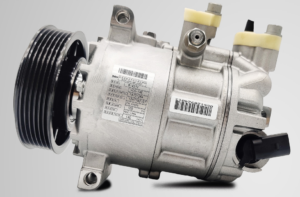
Instructions and Notes for Air Conditioner Compressor:
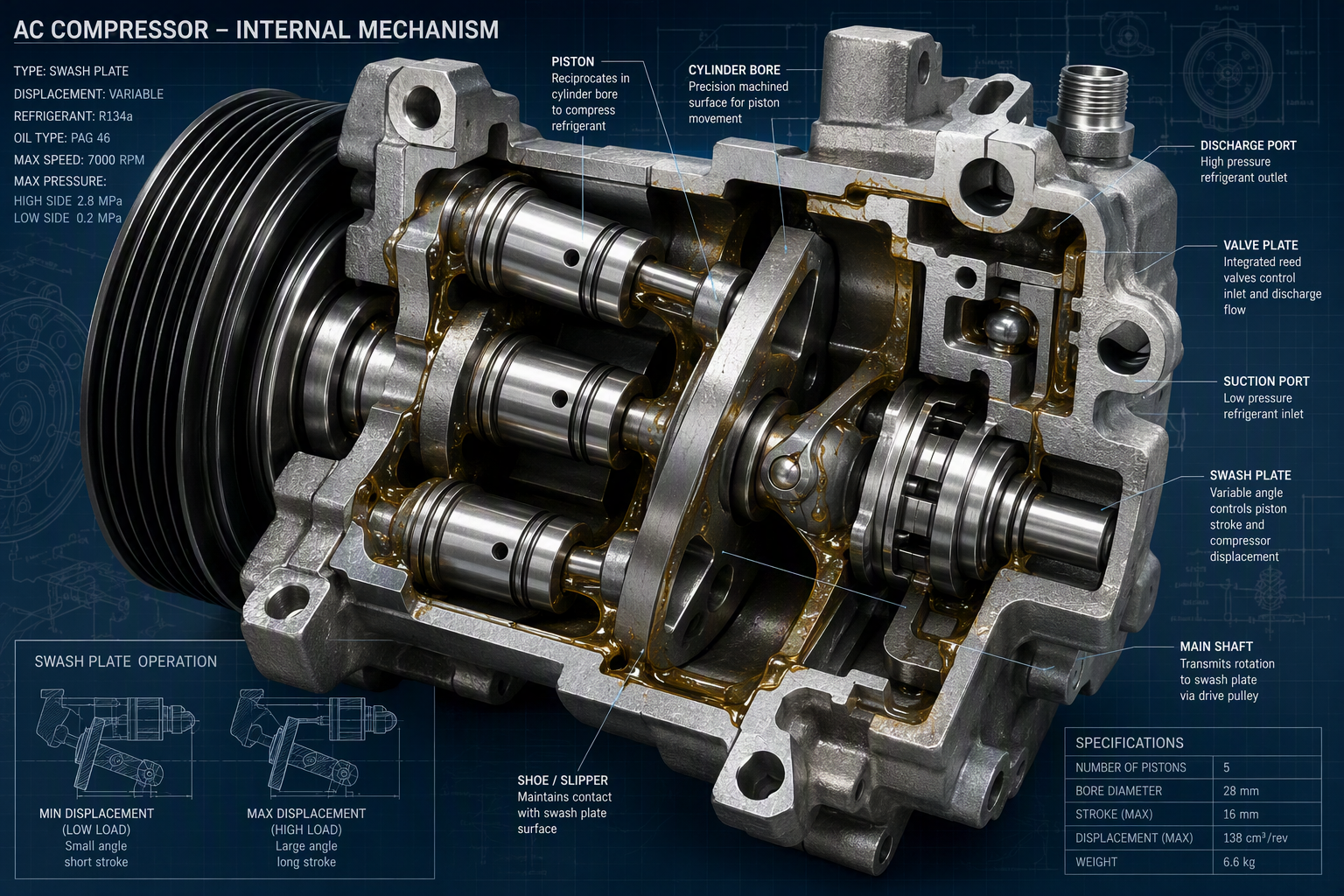
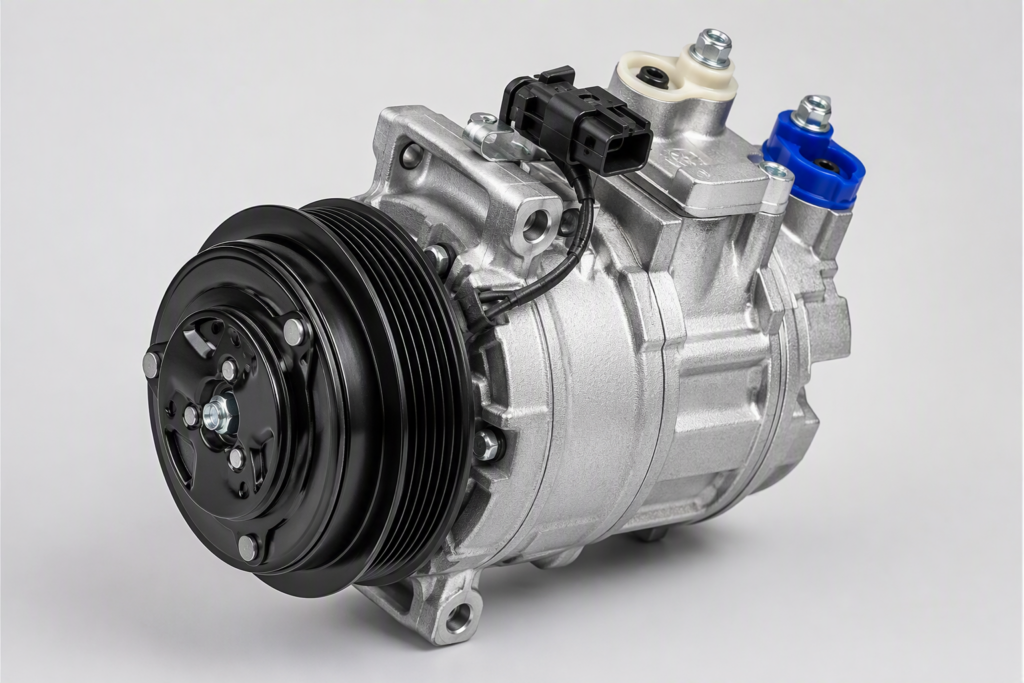
░ The air conditioner compressor is only responsible for compressing the refrigerant and does not directly perform the cooling function. A qualified product should have no leaks, no abnormal noises and sufficient pressure.
░ If the original vehicle’s compressor is damaged, the corresponding problems may have occurred in the original air conditioning system. Therefore, besides inspecting the faults of the compressor itself, you should also pay close attention to the following issues:
- Poor heat dissipation and excessive refrigerant charging lead to excessively high pressure, which overloads the compressor and causes damage, burning or seizing of relevant components.
- Long-term vehicle use results in compressor aging and carbide formation, leading to pipeline blockage. Alternatively, a failed drier cannot filter out moisture, causing ice blockage.
- Long-uncleaned pipelines allow foreign matter inside to block the sensing channel of the air conditioning pressure sensor, resulting in inaccurate or missing pressure signals.
- Loosely fixed air conditioning pipelines will swing continuously over time, loosening pipe joints and causing air leakage.
░ Precautions for Replacing the Compressor:
- Before installing a new compressor, clean the air conditioning pipes, condenser, evaporator and other components. Disassemble and clean all pipes of the system. Pour the cleaning agent into the pipes, condenser and evaporator and let it soak for about 20 minutes, then flush out the cleaning agent and dirt together with high-pressure nitrogen.
- Clean or directly replace the expansion valve.
- Use genuine refrigerant and stay away from counterfeit and shoddy products.
░ Warm Reminder:
If the original vehicle compressor fails due to seizing or cylinder scoring, the pipelines must be thoroughly cleaned and the condenser replaced when installing a new compressor. Given the special structure of the condenser and the tiny internal gaps between its cooling fins, aluminum scraps, iron powder and other residues generated by the damaged original compressor cannot be completely removed. Forcing the installation will likely cause the new compressor to suffer cylinder scoring and seizing in a short time.
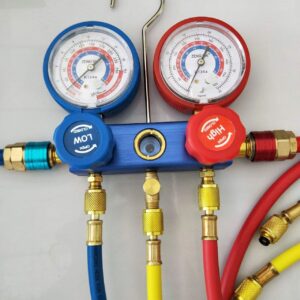
When the refrigeration system of an air conditioner is in operation, both the high-pressure side and low-pressure side of the system have a normal operating pressure range. Taking air conditioning systems using R134a refrigerant as an example, the normal operating pressure ranges are as follows:
Low-pressure side: 104kPa — 201kPa;
High-pressure side: 1785kPa — 1916kPa