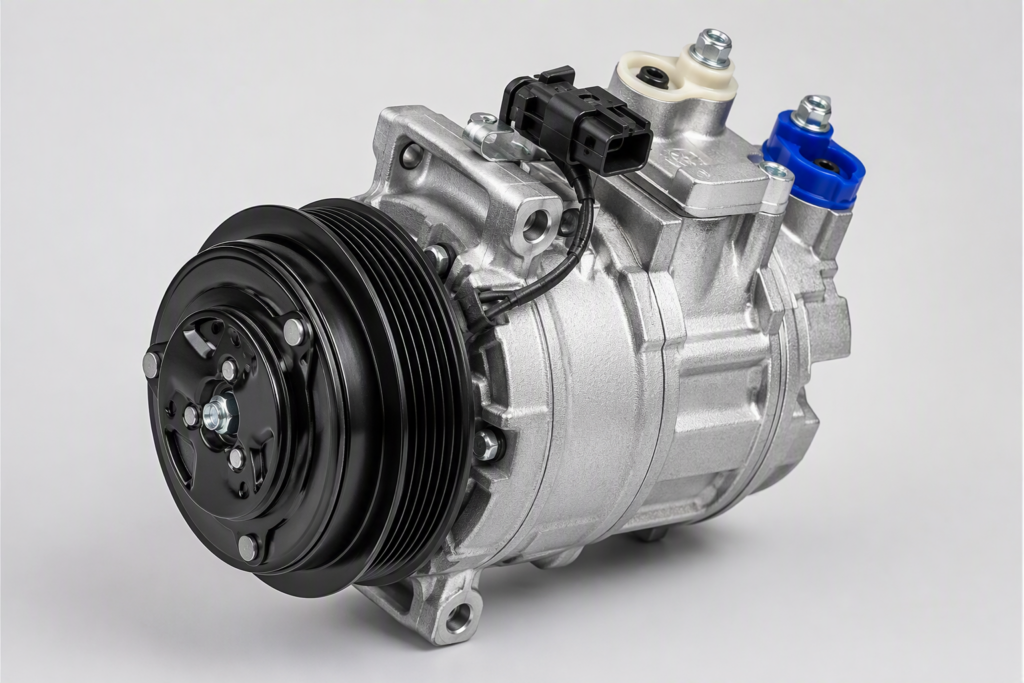
“Nowadays, new energy vehicles are everywhere. How long can those who make fuel vehicle parts survive? Will they have no business to do in two or three years?”
Many auto parts dealers are panicking when they see their peers transitioning to new energy parts. If they switch, they will have to waste the inventory of fuel vehicle parts and the resources of their regular customers. Moreover, the new energy parts market is too unpredictable, and they are afraid of falling into traps. If they don’t switch, they are afraid that fuel vehicles will be eliminated one day, leaving them behind in the industry.
So, how long can the business of fuel vehicle parts last?
Let me first give you a “reassurance pill”: the core profit-making period will last for at least 8-10 years. Even after 10 years, there will still be long-tail businesses to do, and there will definitely not be a sudden halt.
Why are you so sure? From the underlying logic of the industry, the lifeblood of the fuel vehicle parts business is determined by indicators such as stock retention, vehicle age structure, and policy pace, rather than solely relying on new car sales.
Firstly, we earn money from old cars, not new ones
Auto parts dealers are feeling flustered due to the impact of declining sales of fuel-powered vehicles. Indeed, it is a fact that the proportion of new sales of new energy vehicles will exceed 50% by 2025. But for us who deal in auto parts, what do we rely on to make money? We rely on the old fuel-powered vehicles that are already on the road and have been registered, making money through their maintenance and replacement of parts.
By the end of 2025, the domestic fuel vehicle stock will reach 366 million units, accounting for over 80% of the total. This huge stock determines the fundamental demand for maintenance in the next decade. Even if there are over ten million new energy vehicles added each year, it will take at least two to three decades to replace the existing stock of fuel vehicles. For auto parts suppliers, the money they earn is not from “new car sales”. As long as the “basic market” remains, they will have a foothold.
Secondly, the older the car, the easier it is to do business
Those who work in the auto parts industry understand one thing: in the first three years of a new car’s life, there’s basically no need to replace any parts, at most changing the engine oil and three filters; but once the car is over three years old, various minor issues arise, and the demand for parts gradually increases; when the car is over six years old, it enters a “high failure period”, and replacing parts becomes the norm – engine oil and three filters, brake pads, chassis parts, battery, engine accessories, everything has to be replaced, and the frequency of replacement increases.
Here’s the key point: the average age of fuel-powered vehicles in China is now almost 7 years. This means that most fuel-powered vehicles have entered the “replacement peak period”. In the next 5-8 years, more fuel-powered vehicles purchased between 2018 and 2020 will gradually enter this stage.
This means that even if new car sales decline, the core business of auto parts dealers will not shrink in the short term. Instead, they may usher in a wave of “rigid demand dividends” due to the aging of vehicle fleet.
Finally, the auto parts business is neither “once and for all” nor “overnight destruction”
We must be soberly aware that the business of fuel vehicle parts is not disappearing, but rather entering a new stage of structural reshuffle from the “era of profiteering”.
On the one hand, as original equipment manufacturers (OEMs) shift towards new energy, the original equipment orders for core components such as traditional engines and transmissions will continue to shrink, and some tier-one suppliers that only provide OEM services will face difficulties. On the other hand, 50% of small and medium-sized auto parts suppliers will be eliminated due to chaotic inventory management and slow transformation in the future, and the market share will be concentrated in leading chain stores and specialized stores.
The greatest risk for auto parts distributors is not the disappearance of fuel-powered vehicles, but rather being eliminated due to complacency in the industry reshuffle. Whoever can find a new way to survive in this new stage will be the last one standing in this long-distance race.
Regarding how long the business of fuel vehicle parts can continue, do you have any new insights? Feel free to leave a message in the comment section for discussion